
Understanding of food additives-lactic acid
Understanding of food additives-lactic acid
Introduction of 1. lactic acid
Lactic acid, also known as 2-hydroxy propionic acid, molecular formula CH3CHOHCOOH, molecular weight 90.08, widely exists in nature, is one of the main components of sour milk, but also exists in human and animal blood and muscle tissue. According to the provisions of "GB 1886.173-2016 National Food Safety Standard Food Additive Lactic Acid", food additive lactic acid is starch sugar or sugar as raw material. Lactic acid produced by fermentation with Lactobacillus or Rhizopus oryzae, which meets this standard, can be used in the food sector.
2. lactic acid properties
The (I) has a soft, sour taste that lasts a long time. (II) weak organic acid, suitable for pH regulator. (III) has antiseptic effect, can effectively inhibit the growth of pathogenic microorganisms, prolong the shelf life of food. (IV) weak volatile liquid, easy to use.
Application of 3. lactic acid in food field
1. Dairy products
Lactic acid is a natural component of dairy products, it has a soft sour taste and good antimicrobial effect, as a sour agent has been widely used in flavor fermented milk, cheese, ice cream and other foods.
2. Meat products
Lactic acid is a natural organic acid, which is used to inhibit the growth of microorganisms in the production and processing of meat products and to extend the shelf life of products.
3. flour products
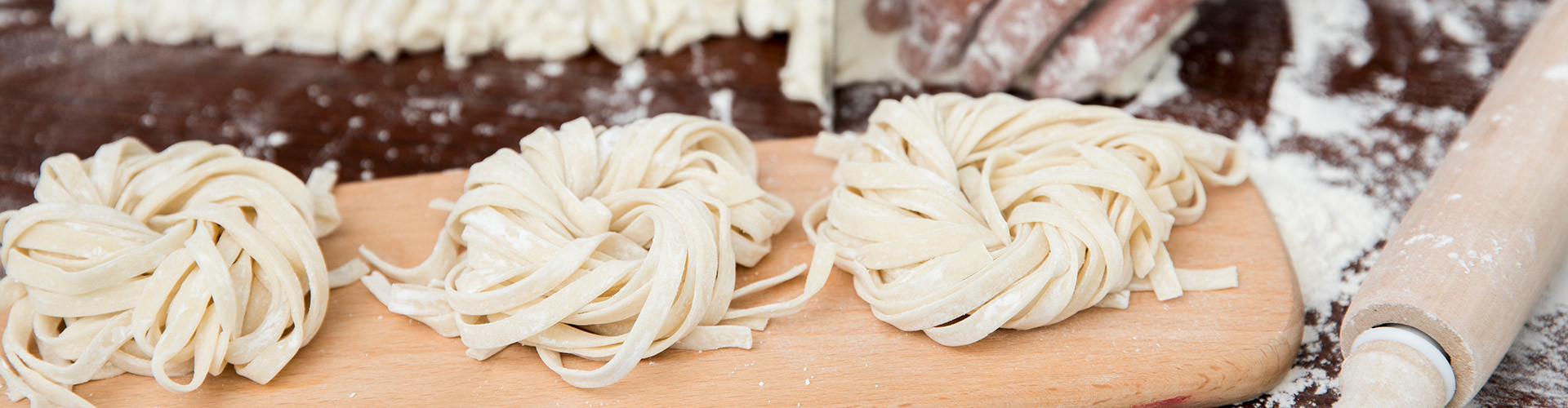
By adjusting the pH of the flour product, lactic acid affects the protein and protease in the flour product. Helps to increase the cooking of flour products; by controlling the pH can effectively inhibit the growth of microorganisms and extend the shelf life.
4. Candy
Buffered lactic acid has a mild sour taste, and the addition of buffered lactic acid in candy can reduce the sugar conversion rate and prolong the shelf life.
5. Health products
Calcium lactate, magnesium lactate, zinc lactate and ferrous lactate can strengthen the minerals in sports health drinks, fruit juice, diet food and baby products. The water solubility is better than gluconate, the taste is moderate, and it is easy to be absorbed and utilized by the human body.
6. Pickled products
Lactic acid can effectively regulate the pH value of food such as pickles, jams, bacon and sausages, prevent spoilage, extend the shelf life of products, and maintain food color and improve taste.
7. Condiments
The unique sour taste of lactic acid can increase the deliciousness of food. Adding a certain amount of lactic acid to condiments such as salad dressing, soy sauce, vinegar, etc. can inhibit the growth of microorganisms in the product, improve safety, and increase product flavor.
8. Beverages and alcohol
Lactic acid has a mild and moderate acidity and can be used as the preferred acidulant for well-formulated soft drinks and fruit juices.
Calcium lactate, ferrous lactate, magnesium lactate, zinc lactate and the like are used as mineral fortifiers for fruit juices, health drinks and soft drinks.
When brewing beer, adding appropriate amount of lactic acid can not only adjust the pH value to promote saccharification, but also increase the flavor of beer and prolong the shelf life.
It is used in liquor, sake and fruit wine to adjust pH, prevent the growth of bacteria, and enhance sour taste and refreshing taste.
Ethyl lactate has a special aroma of rum, fruit and cream, and is used as a flavoring agent in white wine and fruit wine.
The content of this article is excerpted from "Food Safety Guide"_Food Safety China Net
Previous Page
Next Page
Previous Page
Next Page
Related News
CORPORATE PURPOSES
Providing safe, nutritious, tasty and convenient noodle and rice products for people around the world
CONTACT US
Address: 12, Yanqi North No. 2 Industrial Development Zone, Huairou, Beijing, China
Telephone: 8610-61667368
Email: emma.liu@jtm-food.com
Service Support

online message